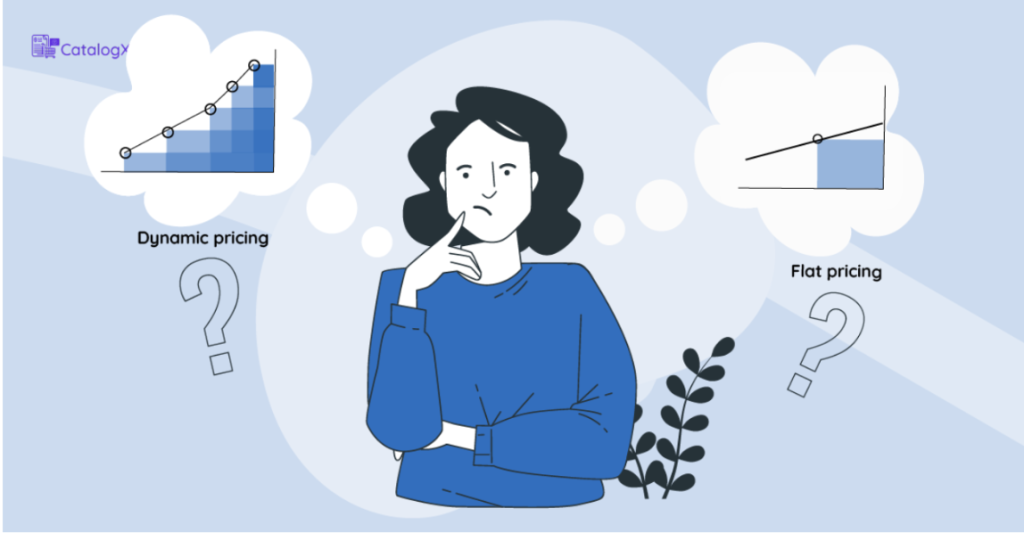
Have you ever noticed how the price of a product on Amazon changes from one day to the next? Or how airline tickets become more expensive the closer you get to your travel date? That’s dynamic pricing in action. Big eCommerce players like Amazon, Walmart, and eBay use it every day to stay ahead.
But here’s the real question: If they’re using demand-based pricing to increase sales and profits, shouldn’t you be doing the same? Let’s break it down and see why this pricing strategy is a game-changer for your online store.
What is Dynamic Pricing?
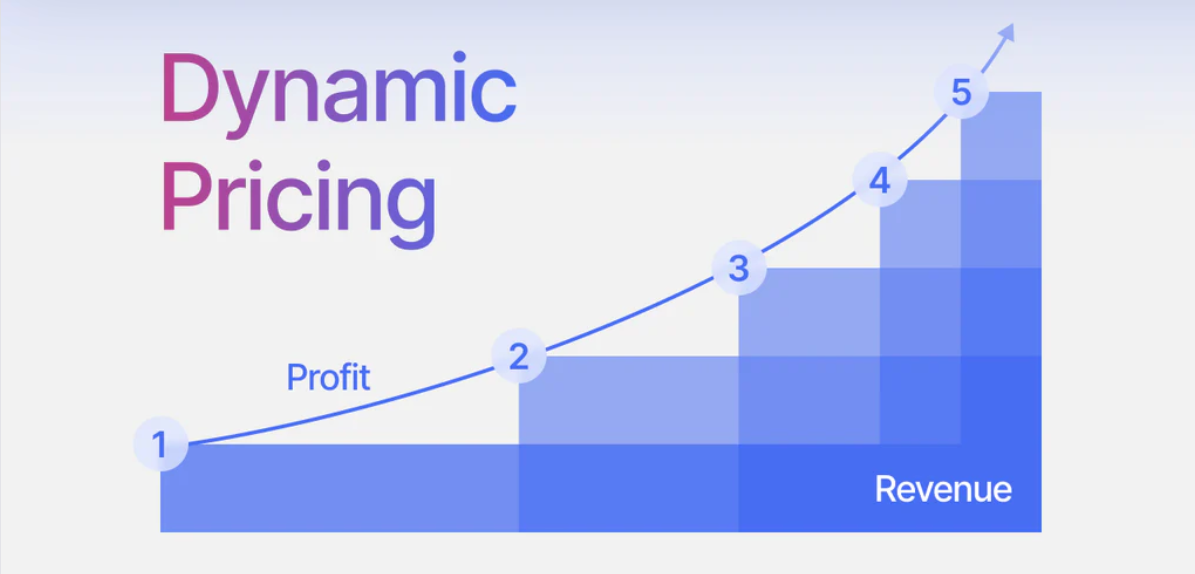
Simply put, dynamic pricing means adjusting the price of a product based on market conditions. Instead of setting a fixed price, your store can tweak prices in real time based on factors like demand, competition, customer behavior, and even the time of day.
Think of it like this:
- A ride-sharing app charges more when demand is high (surge pricing).
- Hotels increase prices during peak seasons.
- eCommerce stores lower prices for slow-moving products to encourage sales.
It’s all about selling at the right price, at the right time, to the right customer.
Why Do eCommerce Giants Use Dynamic Pricing?
The biggest online retailers don’t leave pricing to guesswork. They use dynamic pricing for several smart reasons:
1. Maximizing Profits
They don’t just set low prices—they set the best price at the right time. When demand is high, they charge more. When sales are slow, they offer discounts to move stock. This ensures they always get the most out of every sale.
2. Staying Competitive
If your competitor lowers their price, dynamic pricing allows you to adjust yours automatically to stay in the game. Amazon changes its prices millions of times a day to remain the cheapest option for shoppers.
3. Boosting Sales with Personalized Offers
By tracking customer behavior, dynamic pricing helps eCommerce sites offer personalized discounts. Ever abandoned a cart and received a “limited-time discount” email? That’s dynamic pricing in action!
4. Managing Seasonal Demand
During peak shopping periods (like Black Friday or Christmas), eCommerce giants increase prices for high-demand items. But after the holiday rush, they drop prices to clear stock.
How Does Dynamic Pricing Work?
Dynamic pricing isn’t just about increasing prices—it’s about smart adjustments based on:
- Competitor Prices: If a rival lowers their price, your system can automatically match or beat it.
- Demand Trends: Prices rise when demand is high and drop when it’s low.
- Customer Behavior: Discounts for first-time buyers, cart abandoners, or returning customers.
- Time-Based Pricing: Flash sales, limited-time offers, or off-peak discounts.
Big brands use AI-driven tools to track and adjust prices in real time, but even smaller businesses can implement simple pricing rules using automation tools.
Common Dynamic Pricing Strategies
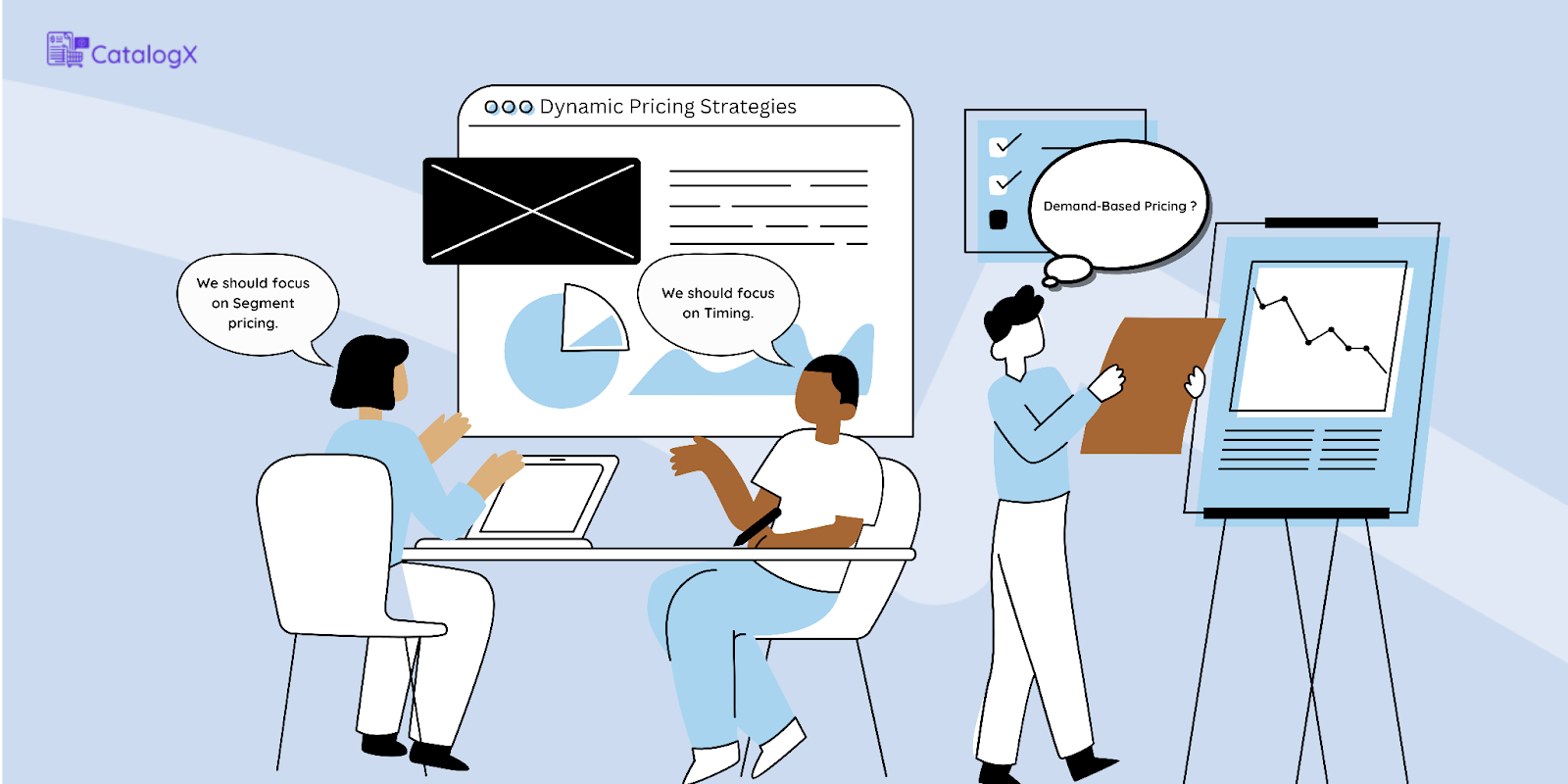
Want to try dynamic pricing for your store? Here are some popular methods:
1. Time-Based Pricing
Offering lower prices during off-peak hours and increasing them during high-traffic periods. For example, food delivery apps charge higher fees during lunch and dinner rushes.
2. Segmented Pricing
Charging different prices based on customer segments. For example, giving exclusive discounts to repeat customers or VIP members.
3. Competitor-Based Pricing
Monitoring competitor prices and adjusting yours to stay competitive.
4. Demand-Based Pricing
Raising prices when a product is trending or in short supply and reducing them when demand drops.
Benefits of Dynamic Pricing for Your Store
Now, let’s talk about what dynamic pricing can do for you:
✅ Higher Revenue – Selling at the best possible price means more profit per sale.
✅ Better Sales Volume – Discounts at the right time can drive more conversions.
✅ Stronger Customer Engagement – Personalized pricing keeps shoppers coming back.
✅ Improved Inventory Management – Move slow-selling items without hurting margins.
✅ Scalability – Whether you’re a small shop or a large marketplace, dynamic pricing works for all.
How to Get Started with Dynamic Pricing
Not sure where to start? Here’s a simple roadmap:
1. Use a Pricing Automation Tool
You don’t have to manually adjust prices every hour. Tools like Prisync, RepricerExpress, or even built-in WooCommerce plugins can help automate dynamic pricing for you.
2. Monitor Market Trends & Competitor Pricing
Keep an eye on what’s happening in your industry. If competitors lower prices or demand surges, adjust accordingly.
3. Test & Optimize Your Pricing Strategy
Start small—test dynamic pricing on a few products and see how it impacts sales before rolling it out storewide.
4. Be Transparent
While adjusting prices, make sure your customers don’t feel like they’re being tricked. Offer limited-time deals, explain price changes, and build trust.
Conclusion
Dynamic pricing isn’t just for big eCommerce giants—it’s for anyone who wants to increase revenue, stay competitive, and sell smarter.
The right price at the right time can boost your sales, attract more customers, and improve your profit margins without extra effort.
So, are you ready to stop leaving money on the table and start using dynamic pricing? 🚀
👉 Try CatalogX today and see the difference it makes for your store!